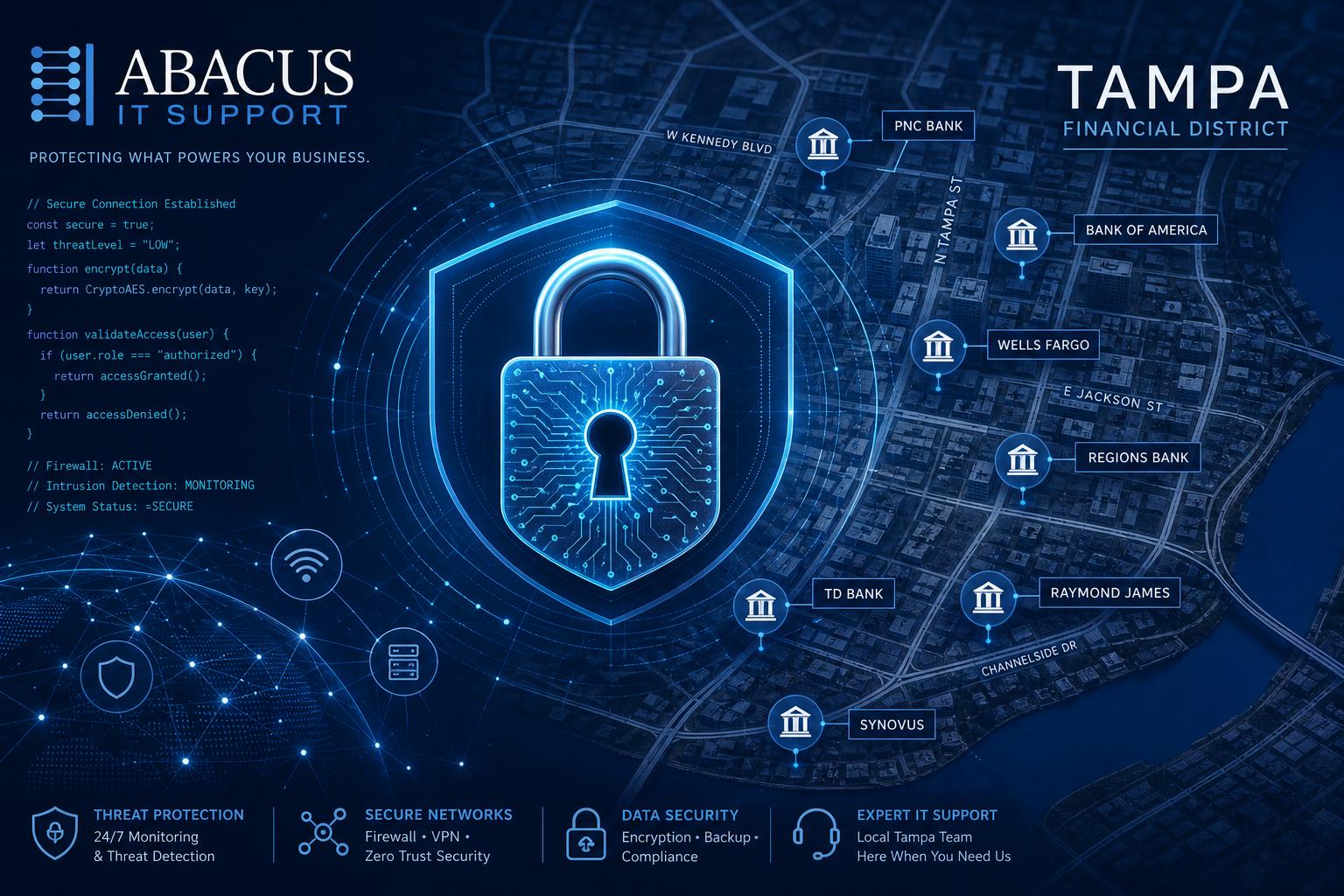
Maximizing Cybersecurity for Tampa's Financial Sector
In an era where digital innovation drives the financial sector forward, cybersecurity has emerged as a key concern for financial institutions. In Tampa, protecting sensitive data and maintaining customer trust are paramount. As cyber threats evolve and become more sophisticated, institutions must adapt and implement robust strategies to safeguard their assets. The task of maximizing cybersecurity in Tampa's financial sector is no small feat, demanding a comprehensive approach that considers current threats and anticipates the future landscape of cybersecurity.
Understanding the Cybersecurity Landscape
The financial sector is an attractive target for cybercriminals. The sector's transition towards digitization has led to a greater attack surface, making financial firms susceptible to various cyber threats, including data breaches, ransomware attacks, and phishing scams. Each of these threats has the potential to cause significant financial and reputational damage, underscoring the necessity for robust cybersecurity measures.
Key Cyber Threats to Financial Institutions
- Data Breaches: Unauthorized access to confidential data can result in severe financial loss and damage to an institution's reputation.
- Ransomware Attacks: Malicious software that locks access to data until a ransom is paid can disrupt operations significantly.
- Phishing Scams: Deceptive attempts to obtain sensitive information through seemingly trustworthy communications remain prevalent.
Strategies for Enhancing Cybersecurity
Enhancing cybersecurity in the financial sector involves implementing strategies tailored to address current and potential cyber threats. Here are essential strategies for financial institutions operating in Tampa:
1. Comprehensive Risk Assessment
A thorough risk assessment is critical in identifying vulnerabilities within an organization's IT infrastructure. By understanding the potential entry points for cyber threats, institutions can focus their resources on the most significant risks. Working with IT professionals, such as those at TeamLogic IT, can provide valuable insights and expertise.
2. Advanced Threat Detection Systems
Proactive threat detection is essential in identifying and neutralizing threats before they cause harm. Investing in advanced cybersecurity tools that monitor, log, and analyze network activities can help institutions spot irregular patterns indicative of potential cyber incidents.
3. Employee Training and Awareness
Human error remains one of the leading causes of cybersecurity incidents. Regular employee training sessions on cybersecurity best practices can significantly reduce the likelihood of successful phishing attempts and data breaches. Employees should be knowledgeable about recognizing suspicious emails and understanding proper protocol for potential cyber threats.
4. End-to-End Data Encryption
Encrypting data ensures that even if intercepted, the information remains inaccessible to unauthorized individuals. Employing strong encryption protocols for both data at rest and in transit adds an extra layer of security to sensitive financial information.
5. Regular Security Audits
Conducting periodic security audits allows institutions to evaluate the effectiveness of existing cybersecurity measures. These audits can uncover previously undetected vulnerabilities and provide the opportunity for continuous improvement.
The Role of Managed IT Services
Managed IT services have become an integral part of effective cybersecurity strategies in the financial sector. By partnering with a managed IT provider like TeamLogic IT, financial institutions can ensure consistent and comprehensive protection against cyber threats.
Benefits of Managed IT Services
- 24/7 Monitoring: Continuous monitoring of IT systems ensures timely identification and response to potential threats.
- Expert Guidance: Access to industry experts provides institutions with the latest insights and strategies for cybersecurity.
- Scalability: Managed IT services can easily adapt to the changing needs of an institution, from scaling up during growth to focusing on specific vulnerabilities.
Why Tampa's Financial Sector Needs Proactive Cybersecurity
Tampa's financial sector must remain vigilant in the face of evolving cyber threats. The city's position as a growing financial hub makes it a target for cybercriminals seeking to exploit vulnerabilities. By adopting proactive cybersecurity measures, financial institutions can safeguard their reputation, protect customer trust, and maintain regulatory compliance.
Continuous Adaptation to Emerging Threats
The cybersecurity landscape is dynamic, with new threats continuously emerging. Financial institutions must commit to staying ahead of these threats by embracing innovation and updating their security protocols regularly. This involves investing in research, adopting new technologies, and leveraging the expertise of IT professionals to fortify defenses.
For financial institutions seeking to optimize their cybersecurity measures, collaboration with seasoned IT experts is crucial. Organizations like TeamLogic IT provide the necessary resources and expertise to enhance cybersecurity frameworks tailored to the specific needs and challenges of the financial sector.
Maximizing cybersecurity in Tampa's financial sector is a multifaceted endeavor that requires dedication, strategic planning, and expert guidance. Institutions poised to protect their assets and reputation will thrive in this increasingly digital world. If you are seeking comprehensive IT support for your financial institution, contact TeamLogic IT, your trusted technology partner in Tampa, FL.